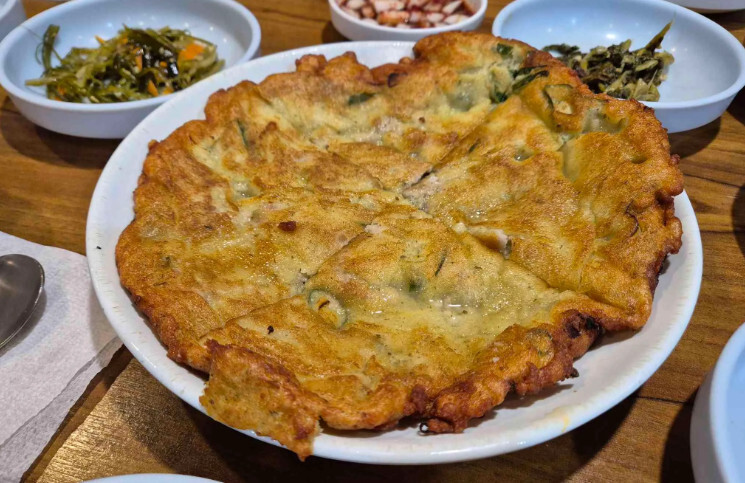
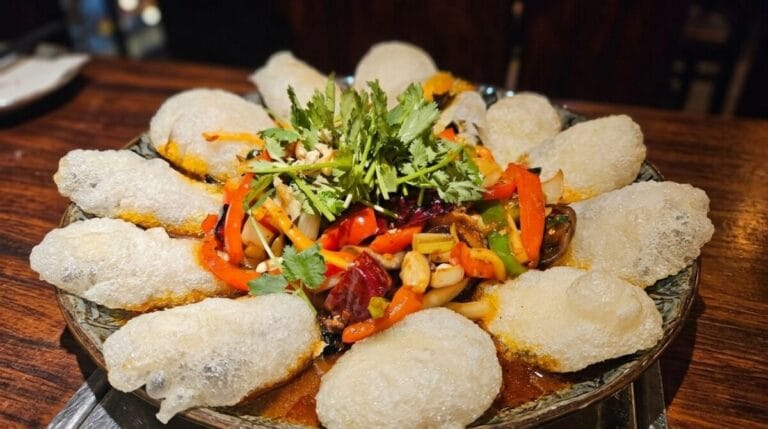
A hike in Seoul can end with more than a convenience-store snack or a quick trip home. Near the areas around Inwangsan and Ansan, two very different meals are worth considering: a bowl of Vietnamese pho tucked inside Yeongcheon Market, or a traditional Korean dogani-tang soup near Dongnimmun. Both restaurants offer a distinctive way to finish a day outdoors, whether you want noodles with fresh herbs or a warming bowl of beef cartilage soup.
1. Vietnamese Market Pho: A Hidden Noodle Shop in Yeongcheon Market
Korean name: 베트남시장쌀국수
Address: 30 Yeongcheon Market-gil, Seodaemun-gu, Seoul
Main dish: Vietnamese Market Pho
Published price: ₩9,000
Vietnamese Market Pho is tucked away along a passage inside Yeongcheon Market. It can be easy to overlook if you are simply walking through the market, yet the steady flow of customers described during the visit suggests that it is worth seeking out rather than judging by its location alone.
The restaurant is a useful option if you want something different from the Korean soups and rice dishes often associated with meals after hiking. Its main attraction is a bowl of pho, a Vietnamese noodle soup served with broth and other ingredients.
What to order
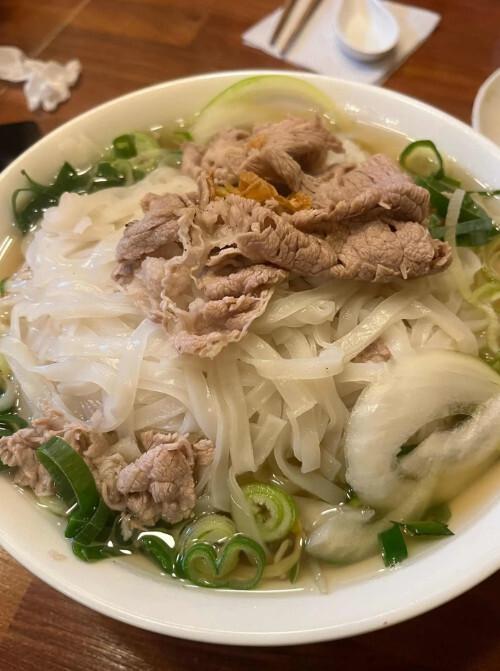
The signature Vietnamese Market Pho (베트남시장쌀국수) costs ₩9,000 according to the supplied menu information.
The visit notes describe the broth as clean and refreshing in flavor, with a generous serving size for the price. After a hike, a hot bowl of noodle soup can be a satisfying choice, particularly if you want a complete meal without ordering several dishes.
Fresh herbs are an important part of the experience, but there is one ordering detail to know: coriander, commonly called cilantro in American English, is listed as an additional ₩1,000 rather than automatically included. Extra beef brisket can also be ordered for an additional charge.
If you enjoy the herbal aroma commonly associated with Vietnamese pho, remember to ask for coriander when ordering.
A small serving of Vietnamese spring rolls
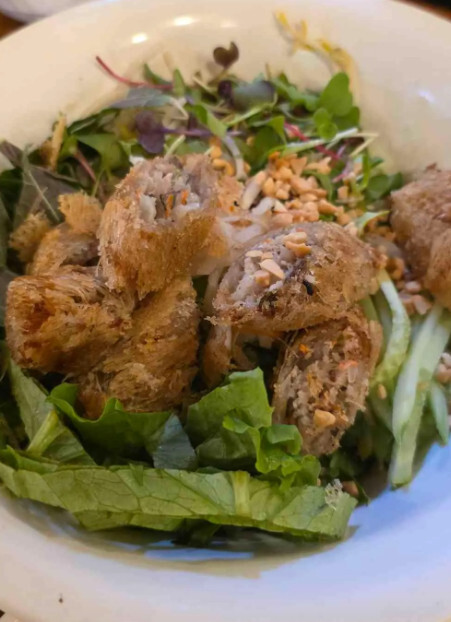
The other dish worth trying is Vietnamese fresh spring rolls (월남쌈).
The restaurant offers different serving sizes, including two rolls for ₩7,000 according to the supplied menu information. This is particularly practical for solo diners or couples who want something to share without committing to a full plate.
That flexibility is one of the restaurant’s most useful features. A full side dish can feel excessive when you are already ordering a bowl of noodles, but two rolls provide a manageable accompaniment.
The spring rolls are also worth considering if you are dining with someone who wants to sample another dish without ordering an entirely separate meal.
What makes this restaurant worth a stop?
The main advantages are the relatively affordable pho, the generous portion described in the visit notes, and the ability to order a small side dish.
The market setting adds another dimension to the meal. Yeongcheon Market is a traditional neighborhood market, so finding the restaurant involves walking through a local shopping area rather than entering a restaurant directly from a main road.
Despite its position inside the market, the dining area was described in the supplied firsthand notes as clean and well maintained. This is a personal observation from the visit, not a guarantee of conditions on every future visit.
Practical information
- Address: 30 Yeongcheon Market-gil, Seodaemun-gu, Seoul
- Vietnamese Market Pho: ₩9,000 in the supplied menu information
- Fresh spring rolls, two pieces: ₩7,000 in the supplied menu information
- Coriander: ₩1,000 extra in the supplied menu information
- Extra beef brisket: Available for an additional charge; the current price was not confirmed
For updated business details, see Vietnamese Market Pho on DiningCode or the restaurant listing on Polle. Check current operating information before making a special trip.
2. Daeseongjip: Traditional Korean Dogani-tang Near Dongnimmun
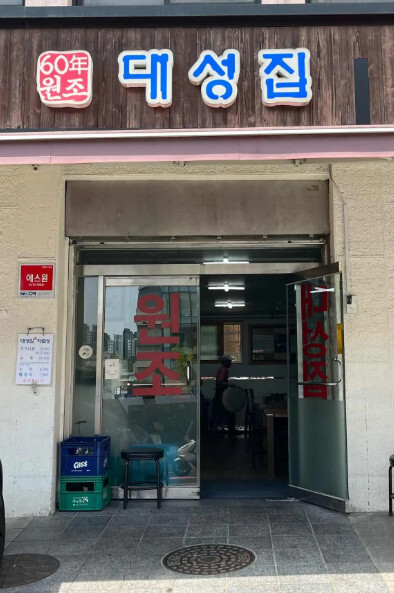
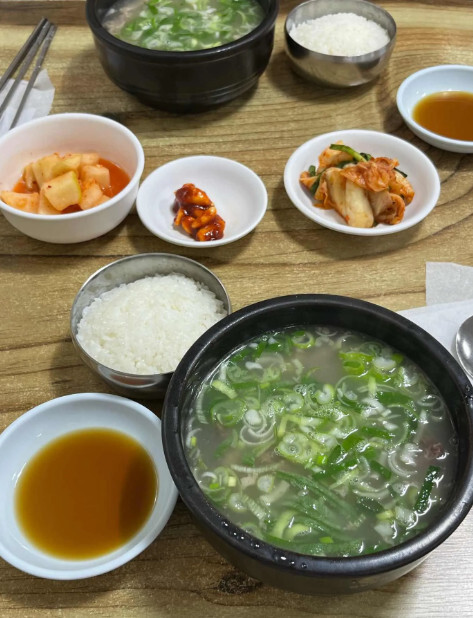
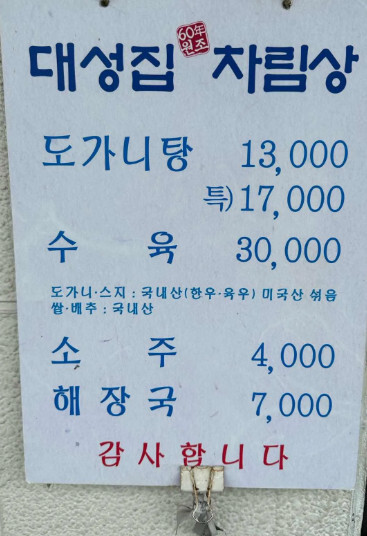
Korean name: 대성집
Address: 5 Sajik-ro, Jongno-gu, Seoul
Signature dish: Dogani-tang (도가니탕)
Published price: ₩13,000
Michelin recognition: 2026 Michelin Guide Bib Gourmand
If you prefer a traditional Korean meal after hiking, Daeseongjip is a well-established restaurant specializing in dogani-tang. Located on Sajik-ro near Dongnimmun, it focuses on a relatively small selection of Korean soup and meat dishes rather than an extensive menu.
The restaurant has a long history and is included in the Michelin Guide’s 2026 Bib Gourmand selection. This distinction recognizes restaurants offering good food at a reasonable price; it is different from a Michelin Star. You can check the restaurant’s current guide entry on the official Michelin Guide website.
What is dogani-tang?
Dogani-tang is a Korean soup made with beef cartilage, often including connective tissue and meat attached to the cartilage. It is typically served hot with rice and Korean side dishes.
The texture is an important part of the dish. The cartilage and connective tissue are pleasantly chewy, while the broth provides a savory base for the meal.
For international visitors, dogani-tang is a useful introduction to a style of Korean cooking that makes use of cuts and textures less familiar in many Western cuisines. If you enjoy beef soups but have not tried cartilage before, this dish offers a different experience from the more familiar bowls of beef noodle soup or clear beef broth.
What should you order?
The straightforward choice is dogani-tang (도가니탕), listed at ₩13,000 in the supplied menu information and recent published listings.
The firsthand notes describe the broth as rich yet clean, with generous pieces of dogani. The dining room was also particularly well maintained during the visit, making the overall meal comfortable and pleasant.
For a shared meal, consider suyuk (수육), listed at ₩30,000. Suyuk is boiled meat served in slices, commonly shared at the table with accompaniments. It is a better fit for two or more diners who want to add a separate meat dish rather than order soup alone.
If you are eating by yourself, the regular bowl of dogani-tang is the more practical choice.
Why consider Daeseongjip after hiking?
Daeseongjip suits hikers who want a warm, substantial Korean meal. Its focused menu also makes ordering relatively straightforward: choose the soup for a solo meal or add suyuk if you are sharing food with companions.
The restaurant is near Dongnimmun Station, which can be convenient for visitors planning an outing around the western side of central Seoul. However, the best route from your hiking exit depends on which trail you choose and where you finish. Check the map before assuming the restaurant is on the way back.
Practical information
- Address: 5 Sajik-ro, Jongno-gu, Seoul
- Dogani-tang: ₩13,000 in current published menu information
- Suyuk: ₩30,000 in current published menu information
- Telephone: 02-735-4259
- Typical published hours: Weekdays 10:30 AM–2:30 PM and 5:00–8:00 PM; Saturday hours differ
- Regular closing day: Sunday, according to published listings
Daeseongjip has a break between lunch and dinner, and published information notes that it may close early if ingredients run out. Hours and last-order times can change, so check before visiting.
For current details, see Daeseongjip on the Michelin Guide or Daeseongjip on DiningCode.
Which Restaurant Should You Choose?
Both restaurants offer satisfying ways to finish a hike, but they suit different appetites.
| Restaurant | Best for | What to order | Main consideration |
|---|---|---|---|
| Vietnamese Market Pho | A noodle meal and a small side dish | Pho and two fresh spring rolls | Located inside Yeongcheon Market; confirm current opening details |
| Daeseongjip | A traditional Korean soup meal | Dogani-tang; suyuk for sharing | Check the lunch break, closing day, and current menu |
Choose Vietnamese Market Pho if you want noodles, enjoy Vietnamese flavors, or prefer the option of adding just a small side dish. It is also a good opportunity to explore Yeongcheon Market while eating.
Choose Daeseongjip if you want to try a traditional Korean soup made with beef cartilage and connective tissue. It is particularly suitable for diners who enjoy rich, savory broths and a simple meal built around one specialty.
Neither restaurant needs to be treated as part of a fixed hiking itinerary. Your choice should depend on your trail, the time you finish, and the kind of food you want.
Planning a Food Stop After Inwangsan or Ansan
Check your hiking route before choosing a restaurant
Inwangsan and Ansan have different trail entrances and possible finishing points. Yeongcheon Market and Daeseongjip are separate destinations, so the best choice depends on your exact route and transportation plans.
If your hike ends near Yeongcheon Market, Vietnamese Market Pho may be a convenient option to investigate. If your route brings you toward Dongnimmun, Daeseongjip may fit your plans better. Check the walking and public transportation directions on the day rather than relying on a fixed distance.
Check restaurant hours carefully
A mountain hike can take longer than expected, especially if you stop for photographs or take a slower descent. Daeseongjip has a published afternoon break, so arriving during that period may mean waiting until dinner service. Confirm the schedule before setting out.
For Vietnamese Market Pho, verify that the restaurant is operating and check its latest menu information before making a special trip.
Decide whether you want a full meal or a small accompaniment
If you choose Vietnamese Market Pho, the two-roll spring-roll option is useful when you want something extra without ordering a full plate. At Daeseongjip, a bowl of dogani-tang is a straightforward individual meal, while suyuk is more appropriate for sharing.
Planning your order around your appetite can make the meal more enjoyable without adding unnecessary dishes.
Frequently Asked Questions
Where can I eat after hiking Inwangsan?
Vietnamese Market Pho inside Yeongcheon Market and Daeseongjip near Dongnimmun are two options to consider. Check your hiking exit and current transport directions before choosing between them.
What is dogani-tang?
Dogani-tang is a Korean soup featuring beef cartilage and connective tissue, usually served hot with rice and side dishes. The texture is noticeably chewy compared with many ordinary beef soups.
How much does Vietnamese Market Pho cost?
The supplied menu information lists its signature pho at ₩9,000 and two fresh spring rolls at ₩7,000. Coriander is listed as an additional ₩1,000. Confirm current prices before ordering.
Is Daeseongjip in the Michelin Guide?
Yes. Daeseongjip appears in the 2026 Michelin Guide’s Bib Gourmand selection. Bib Gourmand is distinct from a Michelin Star.
Can I visit both restaurants after one hike?
You could visit both with additional travel, but they are separate destinations rather than adjacent restaurants. For most hikers, choosing one that fits the route and available time is more practical.
Final Thoughts
After hiking Inwangsan or Ansan, a good meal can be a satisfying way to end the day. Vietnamese Market Pho offers a bowl of noodles and the option of ordering a small serving of fresh spring rolls, while Daeseongjip specializes in traditional Korean dogani-tang and suyuk.
Both restaurants bring something different to the table. Choose the one that matches your appetite and hiking route, and check current business details before setting out. A little planning will help you finish your Seoul hiking day with a meal worth making time for.