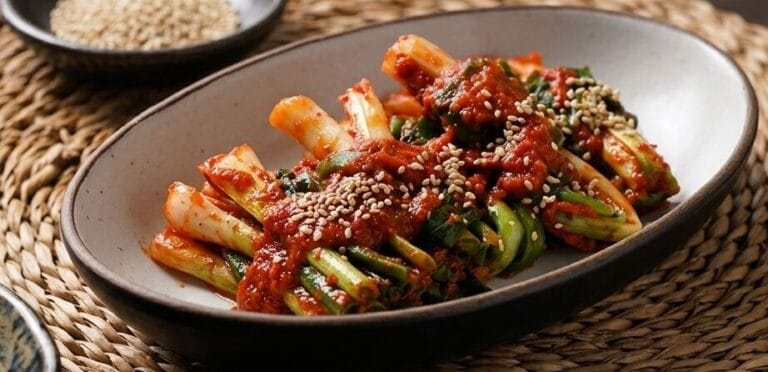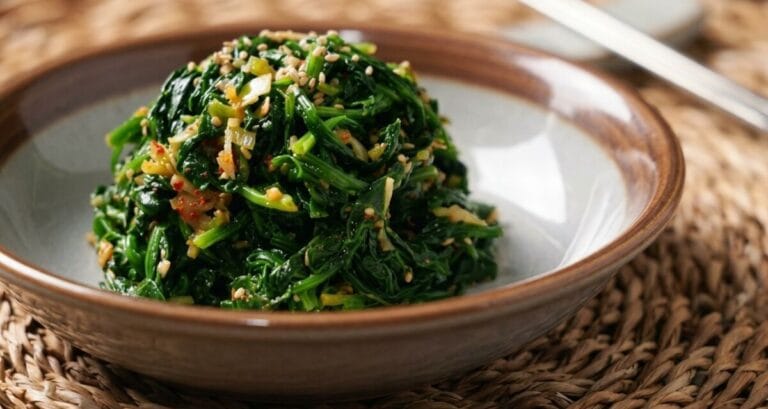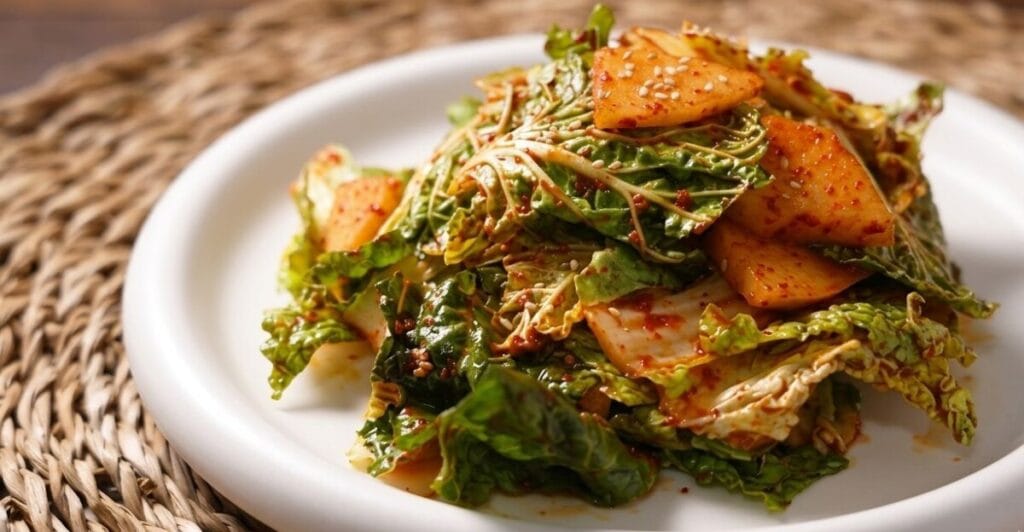
As winter fades and the first signs of spring emerge, local kitchens in Korea undergo a vibrant transformation. Among the most anticipated seasonal highlights is Bomdong Geotjeori (Korean Spring Cabbage Salad), a fresh, unfermented kimchi variant celebrated for its incredible crunch and explosive flavor.
As a Korean local who grew up enjoying authentic home-cooked meals and has spent years replicating traditional family recipes, this salad is the ultimate celebration of spring on a plate.
Unlike traditional Baechu-Kimchi (Napa cabbage kimchi), which takes months to ferment and mature, Geotjeori is an instant, salad-style kimchi meant to be eaten completely fresh. Made with Bomdong—a flat, rosette-shaped winter cabbage that grows close to the frozen ground—this dish offers a unique natural sweetness and a robust, nutty texture. If you want a light, low-calorie, and deeply refreshing side dish that takes less than 20 minutes to make, this authentic guide is exactly what you need.
The Local Expertise: Preserving the Delicate Spring Crunch
The most common mistake international home cooks make when attempting a Korean fresh cabbage salad is treating it like aged kimchi. They apply heavy salt to draw out all the water, which completely destroys the structural charm of spring greens.
To ensure your salad stays vibrant, crisp, and beautifully coated, follow these two essential local rules:
1. Skip the Heavy Salting Process
Traditional kimchi requires hours of brining to make the cabbage pliable for long-term storage. For Bomdong Geotjeori, we want the exact opposite.
- The Local Secret: We do not salt the cabbage ahead of time. Instead, we wash the fresh leaves, dry them meticulously, and toss them directly into a highly concentrated, savory-sweet chili paste right before serving. This keeps the cabbage leaves remarkably juicy and structurally crisp.
2. The “Air-Infused” Toss
Spring cabbage leaves are relatively tender. If you grab them with a tight fist and rub the seasoning in aggressively, you will bruise the greens, releasing a bitter, grassy smell known in Korea as Put-nae (풋내).
- The Technique: Treat the leaves gently. Put on a glove, cup your fingers like a claw, and gently lift the cabbage leaves from the bottom of the bowl upward, letting air pass through them as you cascade the chili paste over every fold.
Ingredients & Substitute Shopping Guide for Foreigners
This fresh salad relies on capturing a balance between the natural sweetness of the spring cabbage and a sharp, savory dressing.
Essential Ingredients
- Fresh Bomdong Cabbage: 1 medium head (approx. 300g / 10 oz).
- Green Onions / Scallions: 2 stalks, sliced thinly on a diagonal.
- Toasted Sesame Seeds: 1 tablespoon (crushed slightly for an intense nutty aroma).
The Vibrant Fresh Dressing Base
- Korean Chili Flakes (Gochugaru): 3 tablespoons.
- Korean Fish Sauce (Anchovy or Sandfish): 2 tablespoons (for that deep, instant umami punch).
- Minced Garlic: 1 tablespoon.
- Plum Syrup (Maesil-cheong): 1 tablespoon. (This adds a bright, fruity sweetness that complements fresh greens perfectly).
- Sugar or Rice Syrup: 1/2 teaspoon (to round out the sharp saltiness of the fish sauce).
- Toasted Sesame Oil: 1 tablespoon.
💡 Expat Shopping Tip & Substitute: Bomdong has a short season and can be hard to find outside of East Asia. If it is unavailable at your local market, you can substitute it seamlessly with the tender, inner yellow leaves of a regular Napa Cabbage, Savoy Cabbage, or even fresh Baby Bok Choy sliced lengthwise. For the plum syrup, a splash of pure apple juice or a tiny squeeze of fresh lemon juice with a pinch of honey works beautifully as an accessible alternative!
Step-by-Step Cooking Instructions
Step 1: Core and Wash Gently
- Cut off the tough, dirty root base at the bottom of the Bomdong cabbage. The leaves will naturally separate into individual pieces.
- Separate the large, thick outer leaves from the tender, sweet inner yellow leaves.
- Wash every leaf thoroughly under cold running water, paying close attention to the base of the stems where soil can hide.
- Crucial: Drain completely and pat the leaves dry with a clean kitchen towel. Any trapped water will dilute the dressing instantly.
Step 2: Tear, Don’t Slice
- For the large outer leaves, do not use a knife to slice them into squares. Instead, use your hands to tear them lengthwise down the center vein into comfortable, bite-sized strips.
- Why do we tear it? Tearing creates rough, organic edges that catch and hold onto the thick chili paste much better than a smooth, knife-cut edge. Leave the small inner leaves whole.
Step 3: Mix the Dressing First
- In a large mixing bowl (big enough to hold all the cabbage), combine the Gochugaru, fish sauce, minced garlic, plum syrup, sugar, and toasted sesame oil.
- Whisk thoroughly and let the paste sit for 5 minutes. This allows the dry chili flakes to absorb the liquids, turning into a rich, deep red glaze.
Step 4: The Final Gentle Toss
- Drop the completely dry cabbage leaves and diagonal-cut green onions into the mixing bowl right on top of the paste.
- Using the Air-Infused Toss technique, gently lift and mingle the cabbage with the dressing until every leaf glistens with a thin, vibrant coating of red chili.
- Transfer immediately to a serving dish and shower the top generously with crushed toasted sesame seeds.
How to Eat and Pair Bomdong Geotjeori
Because this is a completely fresh, unfermented salad, it should be eaten within 1 to 2 days of making it, while the cabbage retains its maximum crispiness.
- The Hot Rice Blanket: This is a local favorite. Take a steaming spoonful of freshly cooked, warm white rice. Drape a single, large, highly seasoned piece of Bomdong Geotjeori directly over the rice, wrap it slightly, and eat it in one bite. The contrast between the hot, mild rice and the cold, sweet, crunchy, and savory cabbage is spectacular.
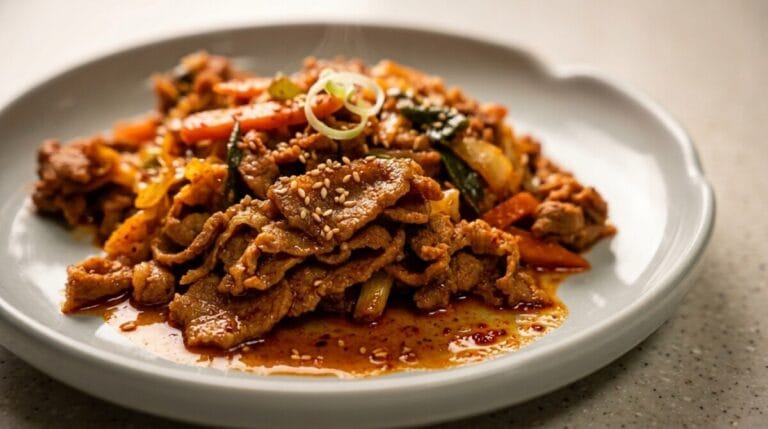
- The Ultimate BBQ Companion: When enjoying rich, fatty cuts of meat like grilled pork belly (Samgyeopsal) or beef brisket, this fresh spring salad acts as the perfect counterweight — much like it pairs well alongside other rich Korean pork dishes such as Jeyuk Bokkeum. Its sharp garlic-and-fish-sauce profile cuts through the heavy animal fats beautifully, refreshing your palate instantly for the next bite.