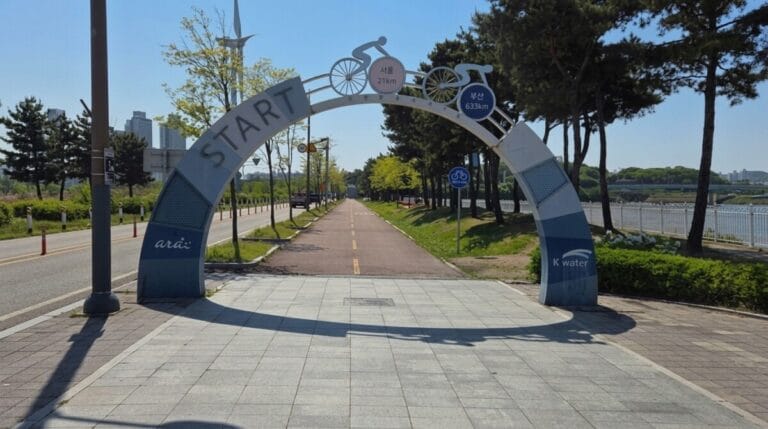
Seoul Forest and Seongsu-dong offer a side of Seoul that feels very different from the city’s historic palaces and major shopping districts.
You can begin the morning surrounded by trees, spend the afternoon exploring independent shops and converted industrial buildings, and finish the day with a simple meal beside the Han River.
I’ve visited Seoul Forest, Seongsu-dong, and Ttukseom Hangang Park several times, and one thing I’ve learned is that the order of your stops can make a real difference.
Seongsu’s popular cafés and shopping streets can become busy, especially on weekends. Seoul Forest, meanwhile, is more enjoyable when you have enough time to explore without rushing.
Based on my visits, I recommend a simple approach:
Forest first, city second, river last.
This route lets you experience three different sides of the neighborhood in a single day: the peaceful atmosphere of Seoul Forest, the creative energy of Seongsu, and the relaxed riverside culture of Ttukseom Hangang Park.
In this guide, I’ll walk you through seven stops, explain which places are worth prioritizing, and share practical tips for making the most of your day.
You don’t need to follow every minute of the schedule. The goal is to enjoy the area, not rush through a checklist.
Seoul Forest 1-Day Itinerary at a Glance
| Time | Stop | What to Do |
|---|---|---|
| 9:30 AM | Seoul Forest Mirror Pond | Enjoy the scenery and take photos |
| 10:30 AM | Eco Forest | Look for deer and explore the walking paths |
| 11:30 AM | Atelier Street | Browse small shops and visit a bakery |
| 1:00 PM | Yeonmujang-gil | Have lunch and explore Seongsu’s shopping streets |
| 3:00 PM | Seongsu Warehouse Café | Relax with coffee or dessert |
| 5:00 PM | Hangang PlPl | Explore the riverside cultural space |
| Evening | Ttukseom Hangang Park | Enjoy the river and try Korean ramyeon |
Starting station: Seoul Forest Station, Suin-Bundang Line
Ending station: Jayang Station, Subway Line 7
Main attractions: Seoul Forest, Seongsu-dong, and Ttukseom Hangang Park
Recommended duration: Most of the day, including meals and breaks
Best for: Couples, solo travelers, café lovers, photographers, and visitors interested in local Seoul neighborhoods
Budget: Flexible. The main public parks are free, while food, drinks, shopping, and transportation are additional expenses.
Why I Recommend This Order
One of the advantages of starting at Seoul Forest is that you can enjoy the park before spending time in Seongsu’s busier commercial streets.
The neighborhood has plenty of interesting shops and cafés, but it is easy to spend longer than expected browsing them.
If you leave the forest until late afternoon, you may find yourself rushing through its walking paths.
Finishing at the Han River also gives the day a natural ending.
After several hours of sightseeing, I prefer having somewhere open and relaxing to sit rather than adding another crowded attraction.
That’s why I recommend this route to travelers who want to experience the area at a comfortable pace.
1. Start Your Morning at Seoul Forest’s Mirror Pond

Korean name: 서울숲 거울연못
Suggested time: 45–60 minutes
Admission: Free
Seoul Forest is one of Seoul’s best-known urban parks.
Opened in 2005, it combines landscaped gardens, ecological areas, walking paths, and recreational spaces.
The park is large enough that you can experience several different environments during one visit.
Some areas feel like carefully designed gardens, while others are more natural and wooded.
For this itinerary, I recommend beginning at Mirror Pond.
How to Get to Seoul Forest
Take the Suin-Bundang Line to Seoul Forest Station.
Exits 3 and 4 are convenient for reaching the park.
You can also arrive via Ttukseom Station on Subway Line 2, although the walk is longer.
For travelers following this particular route, Seoul Forest Station is the easier starting point.
What Makes Mirror Pond Worth Visiting?
Mirror Pond is one of the park’s recognizable photography spots.
Its reflective water creates images of the surrounding trees and landscape, particularly when the surface is calm.
The scenery changes depending on the weather and season.
In spring and summer, the surrounding greenery creates a fresh atmosphere. During autumn, the changing colors of the trees give the area a different appearance.
The pond is attractive, but I wouldn’t recommend visiting Seoul Forest only to take one photograph.
Part of the pleasure of this area is walking along the nearby paths and enjoying the park itself.
My recommendation: Spend a little time exploring the surroundings instead of heading directly to the next attraction after taking a photo.
Optional Stop: Insect and Plant Garden
If you enjoy botanical attractions or are traveling with children, consider visiting the Insect and Plant Garden.
This indoor facility introduces visitors to insects and plants in an educational environment.
The nearby Butterfly Garden is seasonal and generally operates from May through October.
These facilities have separate opening hours from the main park and are normally closed on Mondays.
The main park is open 24 hours a day, but that does not mean every facility inside it is accessible at all times.
Before visiting, check the latest information from Seoul’s official tourism website.
Is This Stop Worth Your Time?
Yes, particularly if you enjoy nature, photography, or relaxed walking routes.
However, if you have very limited time and are mainly interested in shopping, you could shorten this section and spend longer in Seongsu.
2. Explore the Eco Forest and Look for Deer
Korean name: 서울숲 생태숲
Suggested time: 40–60 minutes
Admission: Free
After visiting Mirror Pond, continue toward the Eco Forest.
This is one of the features that makes Seoul Forest different from an ordinary city park.
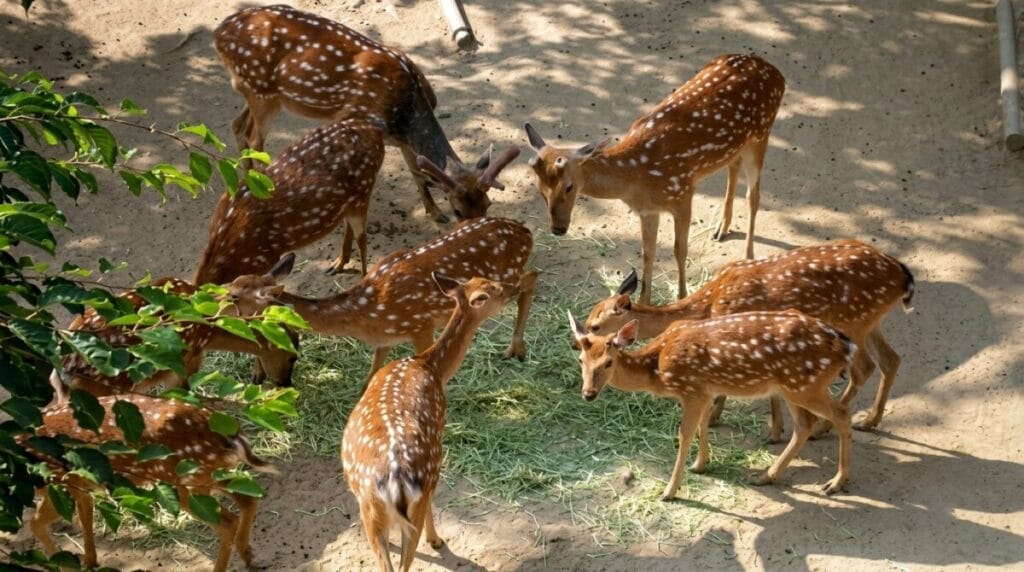
The Eco Forest is a protected area designed to provide habitat for deer and other wildlife.
Visitors can observe parts of the area from designated paths and viewing points.
Where Can You See the Deer?
Look for signs pointing toward the deer enclosure, known in Korean as 꽃사슴방사장.
You may see spotted deer resting or moving through their enclosure.
However, wildlife sightings are never guaranteed.
The animals may be resting away from the main observation areas, and access to some sections can be restricted.
I recommend treating deer observation as part of the forest experience rather than the only reason to visit.
Even if you don’t see many animals, the surrounding wooded paths make this section worthwhile.
Continue Toward Wind Hill
Another interesting part of the Eco Forest area is Wind Hill, known locally as 바람의 언덕.
The surrounding walking routes provide a different perspective on the landscape.
An elevated footbridge also offers views across the ecological area.
Compared with the more landscaped sections of Seoul Forest, this part of the park feels closer to a natural woodland environment.
It’s a pleasant contrast, especially if you’ve already spent time around Mirror Pond.
Important Rules for Visitors
The deer are not pets, and the enclosure is not a petting zoo.
Visitors should:
- Observe animals only from designated areas.
- Avoid disturbing or attempting to approach wildlife.
- Never feed the deer.
- Follow signs and temporary access restrictions.
Deer-feed sales at Seoul Forest were discontinued in 2020.
My recommendation: Include the Eco Forest if you have enough time to enjoy the park properly. It adds variety to the morning and shows a different side of Seoul Forest.
3. Discover Seongsu’s Atelier Street and Local Bakeries

Korean name: 성수동 아틀리에길
Suggested time: 60–90 minutes
After exploring Seoul Forest, it’s time to move into Seongsu-dong.
This is where the atmosphere begins to change.
Instead of broad park paths and open green spaces, you’ll find smaller streets lined with cafés, independent shops, studios, and renovated buildings.
One of the reasons I enjoy visiting this area is the contrast between the forest and the surrounding neighborhood.
You can go from a quiet park to a lively shopping street without traveling to another part of Seoul.
What Is Atelier Street?
Atelier Street is associated with the smaller creative businesses around Seoul Forest.
Depending on the streets you explore, you may encounter:
- Independent fashion boutiques
- Ceramics and lifestyle shops
- Fragrance stores
- Small cafés and bakeries
- Design-oriented retail spaces
Unlike a large shopping mall, this area is best explored on foot.
Individual stores can change over time, and not every shop will appeal to every visitor.
I recommend walking through the area without trying to visit every business.
Choose the places that genuinely interest you.
Bakery Stop: Meal° (밀도)
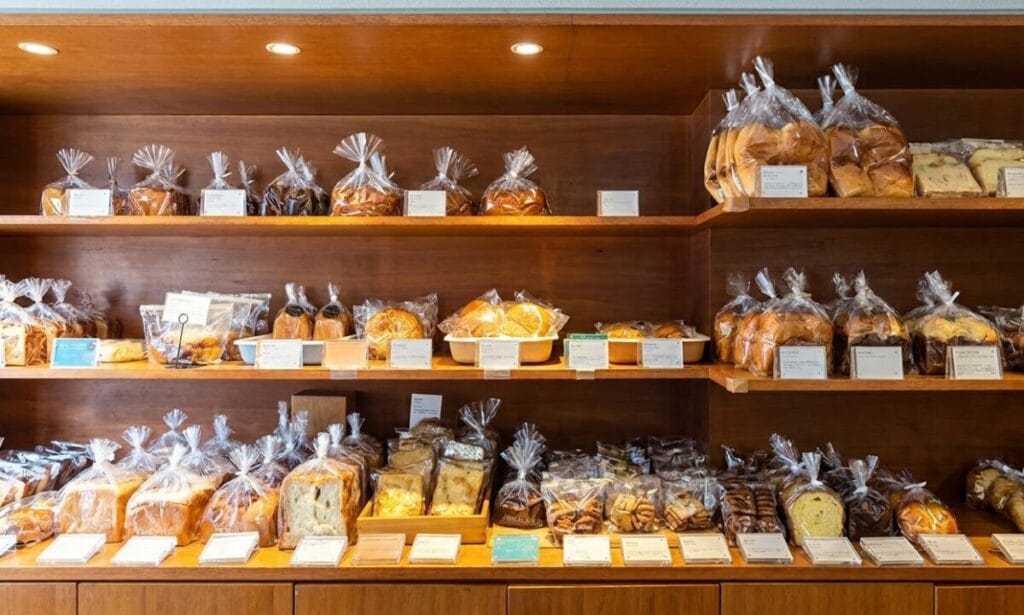
Meal°, also known as Mildo, is a bakery associated with Seongsu’s food scene.
It’s a useful option if you want to take a short break and enjoy bread before continuing your walk.
The bakery is known for its bread-focused selection, although available products and prices can change.
If the store is busy or the product you want has sold out, don’t feel that you need to wait.
There are other bakeries and cafés throughout the surrounding streets.
My Recommendation for Atelier Street
I think this area is most enjoyable when you leave some room for unexpected discoveries.
You might find a small shop that interests you more than a famous flagship store, or a quieter café that feels more comfortable than a crowded destination.
If you enjoy independent businesses and neighborhood photography, Atelier Street deserves a place on your itinerary.
If shopping doesn’t interest you, a shorter walk through the area is enough before continuing toward Yeonmujang-gil.
4. Explore Yeonmujang-gil and Seongsu’s Pop-Up Stores
Korean name: 연무장길
Suggested time: 1–2 hours, including lunch
Yeonmujang-gil is one of the main areas visitors associate with modern Seongsu.
The neighborhood has a history of manufacturing, workshops, and shoe production.
Over time, parts of this industrial district have developed into commercial spaces featuring fashion brands, cafés, restaurants, and design businesses.
Today, the mixture of older buildings and contemporary retail spaces is one of Seongsu’s defining characteristics.
What Makes Yeonmujang-gil Interesting?
Unlike traditional shopping districts built around large department stores, Seongsu’s retail culture is spread across streets and individual buildings.
You may encounter a modern flagship store next to an older industrial structure.
Some businesses have adapted existing buildings rather than replacing them entirely.
This combination creates an atmosphere that feels different from Seoul’s more conventional shopping areas.
Explore Temporary Pop-Up Stores
Seongsu is particularly well known for pop-up stores.
These are temporary spaces created for product launches, brand promotions, collaborations, or interactive experiences.
Depending on when you visit, you may find events related to:
- Korean beauty brands
- Fashion and accessories
- Entertainment collaborations
- Lifestyle products
- Limited-edition merchandise
However, pop-up stores are temporary by nature.
An event mentioned in an older travel guide may no longer exist when you arrive.
Some require advance reservations, while others allow walk-in visits.
My recommendation: If there’s a specific pop-up you want to see, check its official dates and entry requirements before your trip.
Otherwise, enjoy discovering whichever events happen to be operating during your visit.
Dior Seongsu
Dior Seongsu is one of the neighborhood’s recognizable luxury retail landmarks.
Its distinctive exterior has attracted attention from visitors interested in fashion and architecture.
You don’t need to be planning a luxury purchase to appreciate the building’s design.
However, access arrangements and special events can change, so check current information if entering the store is important to you.
Where Should You Have Lunch?
I recommend having lunch somewhere around Yeonmujang-gil or the surrounding Seongsu streets.
You’ll find Korean restaurants, casual dining options, and international food.
Rather than choosing a restaurant solely because it is popular online, consider your schedule and how much time you want to spend waiting.
For this itinerary, a convenient lunch near your walking route is usually the better choice.
Is Yeonmujang-gil Worth Visiting?
Yes, especially if you’re interested in contemporary Korean fashion, beauty, shopping, and design.
But this is also the part of the itinerary that depends most on personal taste.
If you’re not interested in shopping, you can spend less time here and enjoy a longer café break or head toward the Han River earlier.
5. Take a Coffee Break in a Converted Industrial Building
Suggested time: 45–90 minutes
Seongsu’s café culture is closely connected to its industrial past.
Some of the neighborhood’s most recognizable cafés occupy buildings that were previously used as factories, workshops, or warehouses.
Instead of completely hiding their original structures, these spaces often incorporate industrial features into their interiors.
Exposed brick, high ceilings, and spacious layouts are part of the appeal.
After walking through Seoul Forest and exploring Seongsu’s shops, I recommend taking a proper break before heading to the river.
There are two well-known options worth considering.
Option 1: Daelim Changgo (대림창고)
Daelim Changgo is one of the recognizable examples of Seongsu’s industrial-style café culture.
The former warehouse setting is a major part of its identity.
For travelers interested in architecture, it offers more than a conventional coffee shop experience.
The large interior and industrial atmosphere reflect the broader transformation of the neighborhood.
Choose Daelim Changgo if: You’re particularly interested in Seongsu’s industrial architecture and spacious café interiors.
Option 2: Cafe Onion Seongsu (어니언 성수)
Cafe Onion is another familiar name in Seongsu’s café and bakery scene.
Its Seongsu location is associated with a distinctive industrial-style environment and bakery products.
It may appeal more to visitors who want to combine coffee with a bakery stop.
Choose Cafe Onion if: Bread and pastries are a major part of your café experience.
Which Café Would I Recommend?
That depends on what you’re looking for.
If industrial architecture is your main interest, Daelim Changgo is a natural option.
If you prefer a bakery-focused visit, Cafe Onion may be more appealing.
Both are well-known destinations, so crowds and waiting times can vary.
I wouldn’t recommend spending a large part of your afternoon waiting for a famous café unless it’s somewhere you particularly want to visit.
Seongsu has plenty of smaller cafés, and a quieter alternative can sometimes be a more enjoyable way to take a break.
A Practical Tip
Try to finish your café visit before you’re too tired to enjoy the river.
The final part of this itinerary is meant to be relaxing, not another activity you have to rush through.
6. Continue to Hangang PlPl Near Ttukseom Hangang Park
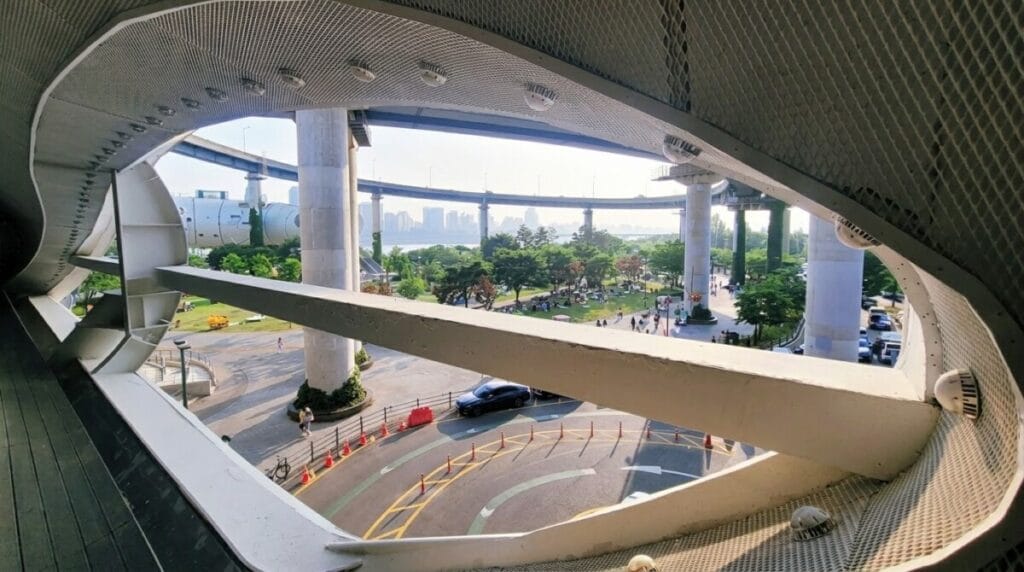
Korean name: 한강플플
Suggested time: 30–60 minutes
Nearest subway station: Jayang Station, Line 7
After spending the afternoon in Seongsu, continue toward Ttukseom Hangang Park.
This is the part of the route where I recommend paying attention to your actual location.
Seongsu covers a fairly large area, and the distance to the river depends on which café or shopping street you visit last.
Some routes are manageable on foot, but others can take longer than expected.
If you’ve already spent several hours walking, using public transportation or taking a taxi may be more comfortable.
What Is Hangang PlPl?
Hangang PlPl is associated with the distinctive riverside structure previously known as Ttukseom Jabeolle, or J-Bug.
The building is recognizable for its long, curved shape.
Its architecture makes it stand out from the surrounding park.
The space has been used for cultural and exhibition activities, although its programming and visitor arrangements can change.
Why Include It in This Route?
I think it makes an interesting transition between Seongsu’s urban environment and the open spaces of the Han River.
After exploring industrial-style cafés, the riverside building offers another example of contemporary architecture in Seoul.
It’s also close to Jayang Station and Ttukseom Hangang Park, making it a convenient optional stop.
Should You Go Inside?
That depends on the exhibitions or activities available during your visit.
If there’s a program that interests you, it’s worth checking the current schedule.
If the building is closed or the exhibitions aren’t relevant to your interests, you can simply continue toward the river.
My recommendation: Don’t plan your entire evening around Hangang PlPl unless you’ve confirmed a specific exhibition or activity.
The main attraction at this point in the itinerary is the Han River itself.
7. Finish Your Day at Ttukseom Hangang Park
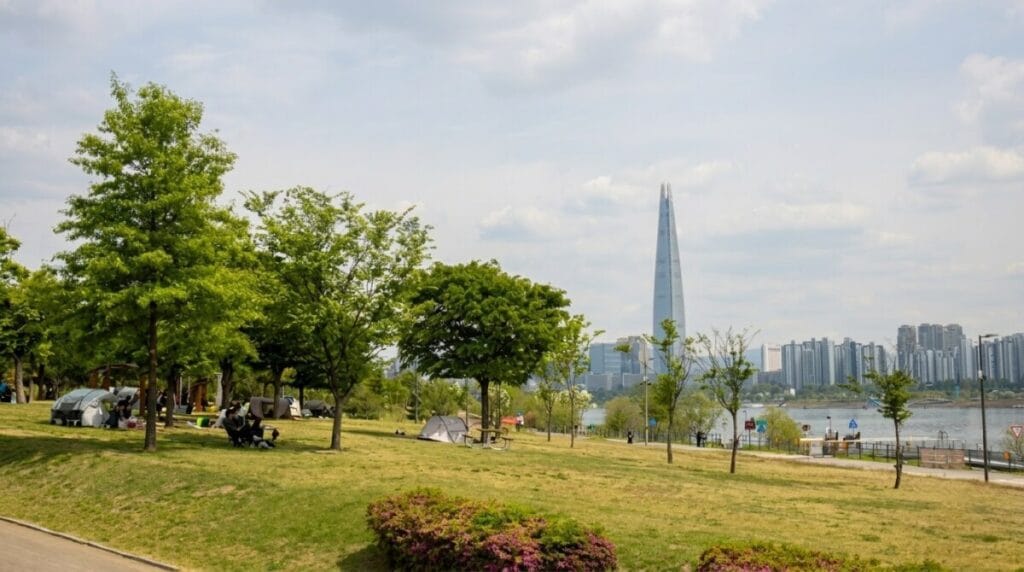
Korean name: 뚝섬한강공원
Suggested time: 1–2 hours
Admission: Free
Nearest subway station: Jayang Station, Line 7
Ttukseom Hangang Park is the final stop on this route.
After spending the day exploring Seoul Forest and Seongsu, the river offers a completely different atmosphere.
Instead of browsing shops or moving between attractions, you can slow down and enjoy the open space.
This is one of the reasons I prefer ending the itinerary here.
There’s no need to follow another complicated sightseeing schedule.
You can simply walk beside the river, find somewhere comfortable to sit, and enjoy the view.
What Can You Do at Ttukseom Hangang Park?
Depending on the weather and season, you can:
- Walk along the riverside paths.
- Relax in a permitted picnic area.
- Watch the changing light over the river.
- Enjoy a snack or simple meal.
- Take photographs of the surrounding city.
- Spend time observing everyday riverside life in Seoul.
The park can become busy during pleasant weekends and evenings.
However, its open setting provides a welcome contrast to Seongsu’s commercial streets.
Try Korean Convenience-Store Ramyeon
One of the most recognizable food experiences along the Han River is cooking instant ramyeon at a convenience store.
Some riverside convenience stores have dedicated machines designed for preparing instant noodles.
The experience is simple.
Choose a compatible noodle product, follow the store’s instructions, and prepare it using the available equipment.
Depending on the store, you may also find optional ingredients such as eggs or cheese.
Popular Korean instant noodles include Shin Ramyun and Neoguri.
Product availability, prices, and cooking arrangements vary by location.
Why Is Han River Ramyeon Popular?
Instant noodles are inexpensive and widely available throughout Korea.
What makes eating them beside the Han River different is the setting.
Instead of eating quickly at home or in a restaurant, you can enjoy a warm meal outdoors while looking across the water.
It’s a casual experience rather than a major culinary attraction.
But for travelers interested in everyday Korean culture, that simplicity is part of its appeal.
Where Should You Sit?
Look for a permitted picnic or seating area with a comfortable view.
On warmer days, grassy areas can be popular with groups of friends, couples, and families.
During cooler months, you may prefer a sheltered spot or a shorter riverside visit.
Remember to dispose of food packaging properly and follow the park’s rules.
What Time Should You Arrive?
If you’d like to enjoy the sunset, check the sunset time for your travel date.
Sunset changes significantly between summer and winter.
The schedule in this article is only a suggested starting point.
During winter, you may need to reach the river earlier.
In summer, you can spend more time exploring Seongsu before heading to the park.
My recommendation: Leave enough time to enjoy the river without feeling rushed. For me, this is what makes the final stop a satisfying end to the day.
How to Travel Between Seoul Forest, Seongsu, and the Han River
The route is easiest to understand in three sections.
Section 1: Seoul Forest
Start at Seoul Forest Station and explore Mirror Pond and the Eco Forest.
These attractions are within the park, although the exact walking route depends on which paths and facilities are accessible.
Section 2: Seongsu-dong
Leave the park and continue toward the Atelier Street area.
From there, explore Yeonmujang-gil and choose a café for your afternoon break.
The shops and cafés are spread across several streets, so your walking distance will depend on the places you select.
Section 3: Ttukseom Hangang Park
Continue toward Jayang Station and the Han River.
This final section can involve a longer walk than visitors expect.
If you’re tired, consider using the subway or a taxi rather than walking the entire distance.
Important: Don’t Confuse These Subway Stations
There are three station names worth distinguishing:
| Station | Subway Line | Best Use |
|---|---|---|
| Seoul Forest Station | Suin-Bundang Line | Starting the park itinerary |
| Ttukseom Station | Line 2 | Accessing parts of Seongsu |
| Jayang Station | Line 7 | Visiting Ttukseom Hangang Park |
Jayang Station was previously called Ttukseom Resort Station.
Older maps and travel articles may still use the former name.
Travel tip: Use Naver Map or KakaoMap to check walking directions between your specific stops.
How Much Does a Seoul Forest Day Trip Cost?
One of the advantages of this itinerary is that the main outdoor attractions are free.
You don’t need to buy a ticket to enjoy Seoul Forest or the public areas of Ttukseom Hangang Park.
Your spending will depend mainly on food, drinks, shopping, and transportation.
| Expense | What to Expect |
|---|---|
| Seoul Forest | Free general admission |
| Mirror Pond | Free |
| Eco Forest | Free |
| Atelier Street | Free to explore |
| Yeonmujang-gil | Free to explore |
| Lunch | Depends on restaurant |
| Bakery or café | Depends on your order |
| Hangang PlPl | Check current exhibition and program details |
| Ttukseom Hangang Park | Free general admission |
| Convenience-store ramyeon | Depends on store and products |
| Transportation | Depends on route |
Seongsu has everything from casual food options to premium cafés and luxury retail stores.
That means you can keep the day relatively affordable or spend considerably more if shopping is part of your plans.
I recommend choosing one or two food experiences you particularly want to enjoy rather than buying something at every stop.
Best Time of Year to Visit Seoul Forest and Seongsu
The route works in different seasons, but the experience changes considerably.
Spring: Flowers and Fresh Greenery
Spring is an attractive time to visit Seoul Forest.
The park becomes greener, and seasonal blossoms can add color to the walking paths.
However, flowering dates depend on the weather.
If cherry blossoms are a major reason for your visit, check current bloom conditions rather than relying on a fixed annual date.
Summer: Green Landscapes and Long Evenings
Summer brings dense greenery and longer daylight hours.
However, Seoul can be hot and humid.
If you’re visiting in July or August, starting the park section early is particularly helpful.
Take regular breaks, carry water, and avoid spending too long outdoors during the hottest part of the day.
Autumn: Comfortable Walking Weather
Autumn is one of my recommended seasons for this route.
The changing colors of the trees make Seoul Forest particularly attractive, and the weather is often more comfortable for walking.
It is also a pleasant time to explore Seongsu’s streets without the intense summer heat.
Winter: More Time for Indoor Attractions
Winter gives Seoul Forest a quieter atmosphere.
However, the cold weather and shorter daylight hours can make a full outdoor itinerary less comfortable.
Some seasonal facilities may also be closed.
During winter, consider shortening the park section and spending more time in Seongsu’s cafés, shops, and indoor spaces.
You may also want to reach the Han River earlier because sunset occurs sooner.
What I Would Prioritize If You Have Less Time
Not everyone has a full day available.
If you only have four or five hours, I wouldn’t recommend trying to complete all seven stops.
Instead, choose the places that best match your interests.
If You Love Nature
Prioritize:
- Mirror Pond
- Eco Forest
- A short walk through Seongsu
- Ttukseom Hangang Park, if time allows
This version gives you more time to enjoy the outdoor areas.
If You Love Shopping and Cafés
Prioritize:
- A short walk through Seoul Forest
- Atelier Street
- Yeonmujang-gil
- One warehouse-style café
You can skip the Han River if you’d rather spend the afternoon exploring shops.
If You Want a Relaxed Date Itinerary
I recommend:
- Seoul Forest
- A bakery or café in Seongsu
- A short shopping walk
- Ttukseom Hangang Park in the evening
This version avoids trying to fit too many activities into one day.
My personal preference: Even with limited time, I would try to include both Seoul Forest and the Han River.
The contrast between these two places is one of the things I enjoy most about this area.
Practical Tips Before You Visit
Check Facility Opening Hours
Seoul Forest itself is open 24 hours a day, but the Eco Forest and indoor gardens have separate operating arrangements.
The Insect and Plant Garden and Butterfly Garden are generally closed on Mondays.
Seasonal hours may also change.
Wear Comfortable Shoes
This itinerary involves several hours of walking.
Although most of the route passes through urban streets and park paths, distances can add up quickly.
Comfortable footwear will make the day much more enjoyable.
Don’t Plan Around Unconfirmed Pop-Ups
Seongsu’s temporary stores change frequently.
If a specific event is important to you, confirm its dates and reservation requirements before visiting.
Allow Extra Time on Weekends
Popular cafés, shopping streets, and the Han River can become busy during weekends and holidays.
A flexible schedule is more useful than trying to follow exact arrival times.
Prepare for the Weather
Bring water during summer, dress warmly during winter, and check the forecast before planning a riverside picnic.
Rain can significantly change the experience, especially at the park and along the river.
Use Korean Place Names When Searching
Some attractions are easier to find in Korean navigation apps.
Useful search terms include:
| English | Korean |
|---|---|
| Seoul Forest | 서울숲 |
| Mirror Pond | 거울연못 |
| Eco Forest | 생태숲 |
| Deer Enclosure | 꽃사슴방사장 |
| Atelier Street | 아틀리에길 |
| Yeonmujang-gil | 연무장길 |
| Daelim Changgo | 대림창고 |
| Cafe Onion Seongsu | 어니언 성수 |
| Hangang PlPl | 한강플플 |
| Ttukseom Hangang Park | 뚝섬한강공원 |
Is Seoul Forest Worth Visiting on Your First Trip to Seoul?
I think it depends on what kind of experience you’re looking for.
If you’re visiting Seoul for the first time and have only one or two days, famous attractions such as Gyeongbokgung Palace and Bukchon Hanok Village may be higher priorities.
They provide a more direct introduction to the city’s history and traditional architecture.
But if you enjoy parks, cafés, shopping streets, and exploring neighborhoods on foot, Seoul Forest and Seongsu are worth considering.
What makes this area interesting isn’t one single attraction.
It’s the combination of different environments within the same part of the city.
You can spend the morning in a large green park, explore contemporary Korean retail culture in the afternoon, and end the day beside the Han River.
That variety is difficult to capture through a single photograph or a short list of famous landmarks.
It’s something you appreciate more by walking through the area.
Frequently Asked Questions
Is Seoul Forest free to enter?
Yes. General admission to Seoul Forest is free.
Some programs or special activities may have separate arrangements.
How long should I spend at Seoul Forest?
For the Mirror Pond and Eco Forest sections in this itinerary, allow approximately two hours.
You can spend considerably longer if you want to explore more of the park.
Is Seongsu within walking distance of Seoul Forest?
Yes. The surrounding Seongsu neighborhood is accessible on foot from Seoul Forest.
However, the distance to individual shops and cafés depends on their locations.
Can I visit Seoul Forest and Seongsu in one day?
Yes.
The two areas work well together, particularly if you enjoy walking.
Adding Ttukseom Hangang Park makes it a fuller day, so plan enough time for breaks.
Is Seoul Forest suitable for families with children?
Yes.
The park has open spaces and nature-oriented attractions that can appeal to families.
However, some walking routes are long, and individual facilities have separate hours and access rules.
Can I see deer at Seoul Forest?
The Eco Forest has a managed deer habitat, but sightings depend on the animals’ locations and viewing conditions.
Visitors should observe wildlife from designated areas and must not feed the deer.
Is Ttukseom Hangang Park the same as Ttukseom Station?
No.
Ttukseom Station is on Subway Line 2.
For convenient access to Ttukseom Hangang Park, use Jayang Station on Line 7.
Do I need reservations for Seongsu cafés?
Many cafés accept walk-in customers, but individual policies vary.
Temporary pop-up events may require advance reservations.
Check directly with a business if visiting a specific place is essential to your plans.
Final Thoughts: Why I Keep Returning to Seoul Forest and Seongsu
After visiting Seoul Forest, Seongsu-dong, and Ttukseom Hangang Park several times, I’ve come to appreciate how different each part of the area feels.
Seoul Forest offers space to walk and enjoy nature.
Seongsu is interesting for its changing shops, cafés, and industrial architecture.
The Han River provides a relaxing place to finish the day.
What I like about combining these places is that you don’t have to choose between a nature-focused outing and an urban neighborhood experience.
You can enjoy both.
If you’re planning your first visit, my recommendation is simple:
Start with Seoul Forest, explore Seongsu at your own pace, and leave enough time to enjoy the Han River.
You don’t need to complete every stop or visit every famous café.
Choose the places that interest you most, keep your schedule flexible, and enjoy discovering a different side of Seoul.