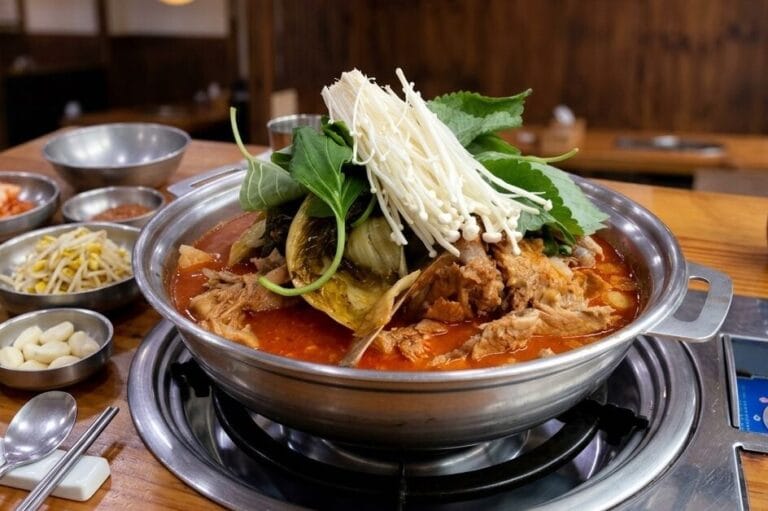
Korean fried chicken is one of the easiest foods to enjoy during a trip to South Korea. But with so many brands, sauces, and cooking styles, choosing what to order can be surprisingly difficult.
Should you try classic crispy chicken, sweet and spicy yangnyeom, soy-garlic chicken, or something covered in cheese seasoning?
And what makes Korean fried chicken different from the chicken you might already know?
This guide compares five well-known Korean chicken brands: BBQ, Pelicana, Kyochon, Goobne, and BHC.
Each offers a different approach to Korean chicken, from traditional fried recipes to oven-roasted varieties.
You’ll learn what makes each brand distinctive, which signature menu to consider, how much to expect to spend, and how to order chicken during your visit.
Quick Comparison: 5 Korean Chicken Brands
| Brand | Signature Menu | Flavor Profile | Best For |
|---|---|---|---|
| BBQ | Golden Olive Chicken | Classic crispy fried chicken | First-time visitors |
| Pelicana | Yangnyeom Chicken | Sweet, savory, mildly spicy | Traditional Korean chicken sauce |
| Kyochon | Honey Combo | Sweet honey-soy glaze | Sweet and savory flavors |
| Goobne | Gochu Basasak | Lightly spicy, oven-roasted | Travelers avoiding deep-fried chicken |
| BHC | Bburinkle | Sweet and salty cheese-style seasoning | Unique Korean chicken flavors |
Price note: Menu prices vary by brand, chicken cut, restaurant branch, and ordering method. Verified prices are included where available. Always check the current menu before ordering.
What Makes Korean Fried Chicken Different?
Korean fried chicken is known for its crisp coating and wide variety of sauces and seasonings.
While fried chicken is popular around the world, Korean restaurants offer several distinctive styles.
Some focus on thin, crispy coatings, while others use sweet sauces, soy-garlic glazes, or powdered seasonings.
Many Korean chicken restaurants also offer large portions intended for sharing.
Unlike a typical individual fast-food meal, ordering chicken in Korea often means choosing a whole chicken or a platter of pieces.
Popular Korean Chicken Styles
Fried Chicken (후라이드치킨)
Classic Korean fried chicken served without a heavy sauce. It is a good starting point for travelers who want to focus on the crispy coating and chicken itself.
Yangnyeom Chicken (양념치킨)
Fried chicken coated in a sweet, savory, and often spicy Korean-style sauce. The sauce commonly includes ingredients such as chili paste, garlic, sugar, and other seasonings, although recipes vary.
Soy-Garlic Chicken (간장치킨)
Chicken coated in a soy-based glaze, often combined with garlic and sweet ingredients. It is a popular alternative for people who prefer savory flavors over chili-based sauces.
Honey Chicken (허니치킨)
Chicken finished with a sweet honey-inspired glaze. The sweetness level depends on the brand and recipe.
Seasoned Powder Chicken (시즈닝치킨)
Chicken coated in flavored seasoning powder rather than a conventional liquid sauce. Cheese-style seasonings are particularly recognizable in this category.
Not every Korean chicken brand uses the same frying method. Some double-fry their chicken, while others use different techniques.
Goobne, for example, specializes in oven-roasted chicken rather than conventional deep-fried chicken.
1. BBQ Chicken — Golden Olive Chicken (황금올리브치킨)

Best for: First-time visitors who want classic Korean fried chicken.
Signature menu: Golden Olive Chicken
Official listed price: ₩23,000
Why Try BBQ Chicken?
BBQ is one of South Korea’s major fried chicken brands.
Its signature Golden Olive Chicken is a straightforward introduction to Korean-style crispy chicken.
Rather than relying on a strong sauce or powdered seasoning, the original version focuses on fried chicken with a seasoned coating.
BBQ is also associated with its use of olive oil in its frying process.
For travelers who have never tried Korean fried chicken, Golden Olive Chicken is a practical starting point.
What to Order
Golden Olive Chicken (황금올리브치킨) — ₩23,000
This is BBQ’s signature fried chicken.
The original version is suitable for visitors who want a familiar chicken flavor without a sweet or spicy coating.
Golden Olive Half-and-Half (황올 반+양념 반) — ₩24,000
This option combines original Golden Olive Chicken with seasoned chicken.
It is worth considering if you want to compare two popular Korean chicken styles in one order.
Good to Know
BBQ operates numerous locations throughout South Korea.
However, not every branch has the same seating arrangements or operating hours.
Some locations are designed primarily for takeaway and delivery, while others provide dine-in seating.
Check the specific branch before visiting.
Who should choose BBQ?
Choose BBQ if you want a classic fried chicken experience without committing to an unfamiliar sauce or seasoning.
2. Pelicana — Yangnyeom Chicken (양념치킨)
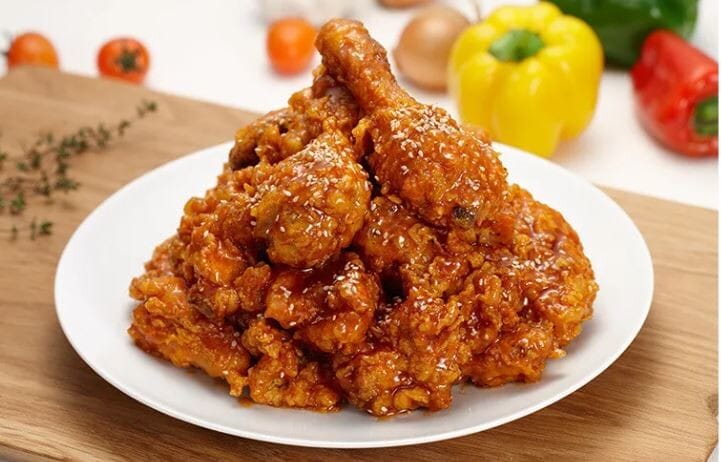
Best for: Travelers who want to try traditional Korean sweet and spicy chicken.
Signature menu: Yangnyeom Chicken
Why Try Pelicana?
Pelicana is a long-established Korean chicken brand closely associated with the development and popularization of yangnyeom chicken.
Yangnyeom chicken is one of the most recognizable Korean fried chicken styles.
Instead of serving the chicken plain, the fried pieces are coated in a seasoned sauce.
The sauce typically combines sweetness, savory seasoning, garlic, and chili-based ingredients.
Compared with plain fried chicken, yangnyeom offers a more sauce-focused eating experience.
What to Order
Yangnyeom Chicken (양념치킨)
Pelicana’s signature seasoned chicken is a useful introduction to Korean-style sauced fried chicken.
The sauce combines sweet and savory flavors with some chili heat.
The exact level of spiciness may depend on the menu variation.
Half-and-Half Chicken (반반치킨)
If available at your chosen branch, a half-and-half order lets you compare original fried chicken with yangnyeom chicken.
This is particularly useful for travelers who have never tried Korean seasoned chicken.
Current prices for these specific menu options could not be independently confirmed from an official listing during this review.
Good to Know
Yangnyeom chicken is generally sweeter and more heavily sauced than plain fried chicken.
If you prefer very crispy chicken without sauce, consider ordering the original fried version instead.
If you are sensitive to chili, ask about the spice level before ordering.
Who should choose Pelicana?
Pelicana is a good option if your main goal is to experience traditional Korean yangnyeom chicken.
3. Kyochon Chicken — Honey Combo (허니콤보)

Best for: Travelers who enjoy sweet and savory glazed chicken.
Signature menu: Honey Combo
Official listed price: ₩23,000
Why Try Kyochon?
Kyochon is known for its glazed chicken varieties, including soy-garlic, honey, and spicy flavors.
Unlike chicken coated in a thick, red yangnyeom sauce, Kyochon’s signature styles often emphasize a thinner glaze.
Honey Combo is one of its recognizable menu items.
It combines a sweet honey-inspired sauce with chicken wings and drumsticks.
This makes it particularly appealing to travelers who prefer specific chicken pieces rather than a whole chicken containing several different cuts.
What to Order
Honey Combo (허니콤보) — ₩23,000
Honey Combo features wings and drumsticks coated in a sweet and savory glaze.
The official menu identifies honey, soy sauce, garlic, and onion powder among its flavor ingredients.
It is a good option for travelers who enjoy sweet glazed chicken.
Kyochon Original (교촌오리지날)
Kyochon Original is another option worth considering if you prefer a more savory soy-garlic flavor.
Check the current branch menu for its price and availability.
Good to Know
Kyochon sells different combinations of chicken pieces.
Some menus contain wings, drumsticks, or mixed selections.
Read the menu carefully because the number and type of pieces may differ.
Kyochon’s official Honey Combo listing shows a recommended price of ₩23,000, but individual stores may charge different amounts.
Who should choose Kyochon?
Choose Kyochon if you enjoy sweet soy-based sauces and prefer glazed chicken over heavily seasoned powder varieties.
4. Goobne Chicken — Gochu Basasak (고추바사삭)
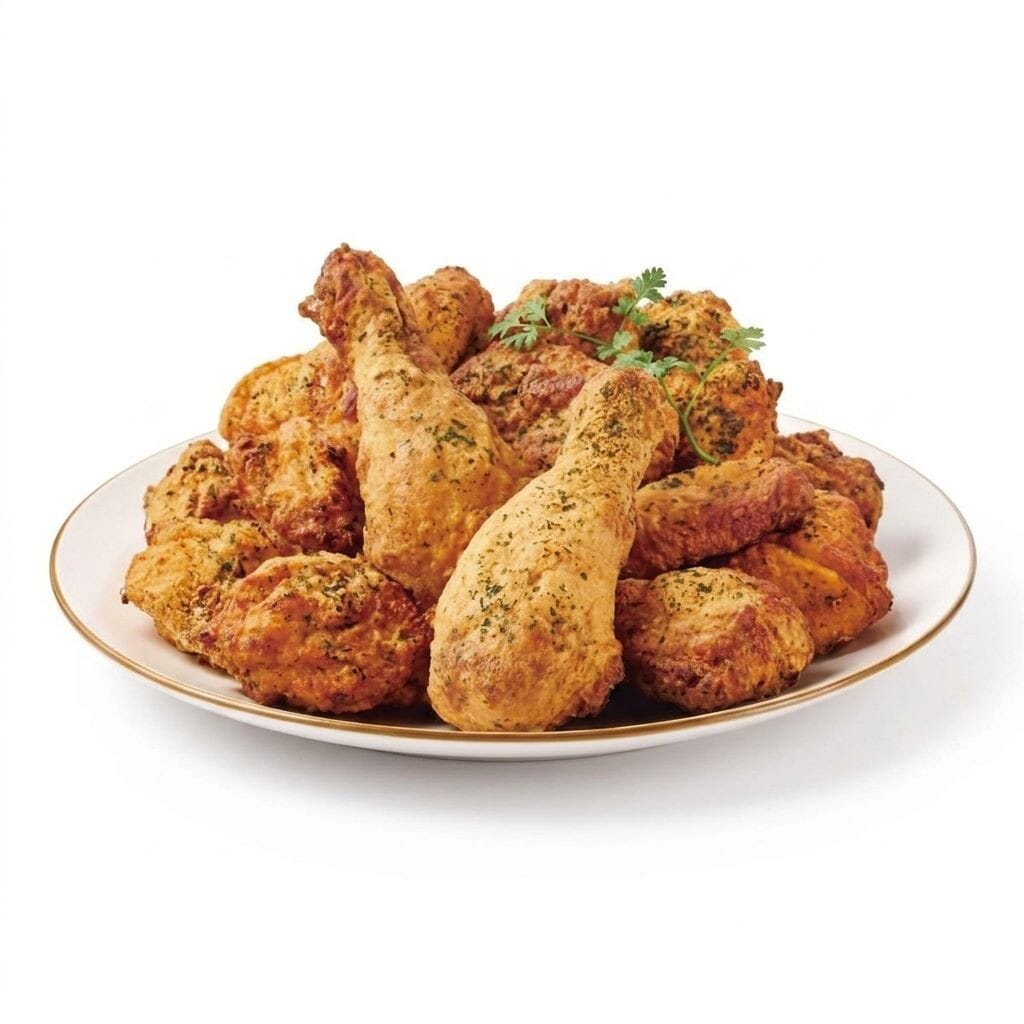
Best for: Travelers who want oven-roasted chicken with a mildly spicy flavor.
Signature menu: Gochu Basasak
Why Try Goobne?
Goobne is different from the other brands in this guide because it specializes in oven-roasted chicken.
Rather than deep-frying its chicken, the brand uses oven cooking to produce its signature products.
Gochu Basasak is one of Goobne’s best-known menus.
The name refers to its chili-inspired flavor and crispy texture.
Its seasoning includes Korean chili flavors, making it suitable for diners who enjoy some spice without necessarily choosing a heavily sauced chicken.
What to Order
Gochu Basasak (고추바사삭)
This oven-roasted chicken is seasoned with Korean chili-inspired flavors.
It is designed to provide a crispy exterior without conventional deep-frying.
Goobne also offers different chicken-cut options, including boneless variations.
Gochu Basasak Boneless Chicken Breast (고추바사삭 가슴살 순살) — ₩20,900
This variation uses boneless chicken breast.
The price is listed on Goobne’s official website.
It is a useful alternative for travelers who prefer chicken without bones.
Good to Know
Gochu Basasak is not completely non-spicy.
Although its flavor is different from heavily sauced spicy chicken, the seasoning contains chili-inspired ingredients.
Goobne also offers accompanying dipping sauces for some menu configurations.
Check the current menu to see which sauces are included.
Who should choose Goobne?
Choose Goobne if you prefer oven-roasted chicken or want an alternative to conventional deep-fried Korean chicken.
However, oven-roasted does not automatically mean low-calorie or suitable for every dietary requirement.
5. BHC Chicken — Bburinkle (뿌링클)
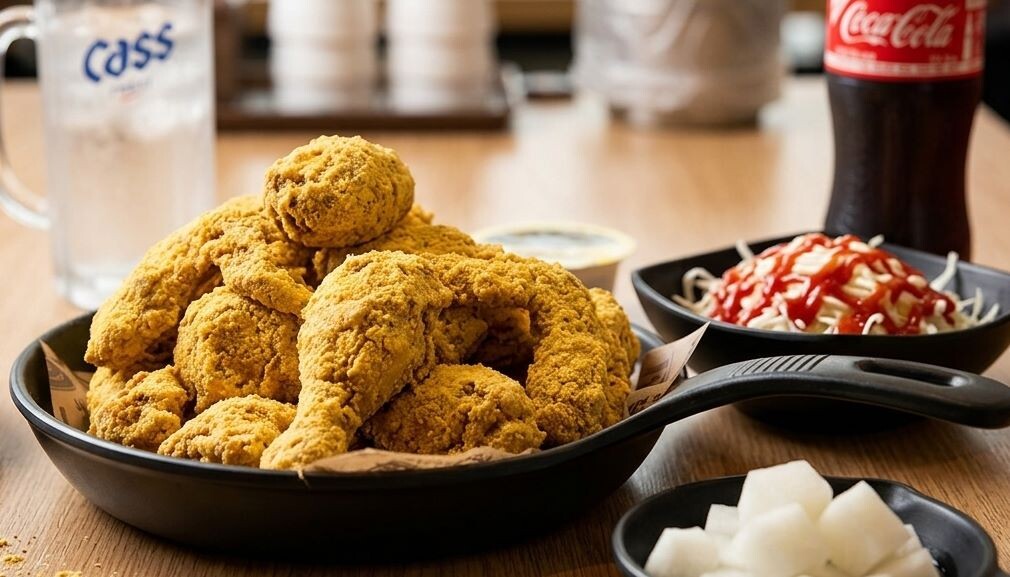
Best for: Travelers interested in unusual Korean chicken seasonings.
Signature menu: Bburinkle
Why Try BHC?
BHC is another major Korean chicken brand.
One of its best-known products is Bburinkle, a chicken menu featuring sweet and savory cheese-style seasoning powder.
Unlike yangnyeom chicken, which is coated in a liquid sauce, Bburinkle uses a dry seasoning.
This creates a different flavor experience from conventional fried chicken.
Its combination of sweetness, saltiness, and cheese-inspired flavors makes it distinctive among the brands in this guide.
What to Order
Bburinkle Chicken (뿌링클)
Bburinkle is BHC’s signature powdered-seasoning chicken.
It is a good choice for travelers who want to try a Korean chicken flavor that differs from traditional fried or soy-garlic chicken.
Bburinkle Boneless (뿌링클 순살)
A boneless variation may be available for travelers who prefer chicken without bones.
Check the current menu for the exact portion and price.
Current prices for these specific options could not be independently confirmed from an official price listing during this review.
Good to Know
Bburinkle has a noticeable sweet and salty seasoning profile.
If you prefer plain fried chicken or dislike cheese-style flavors, another brand may be more suitable.
Some BHC menu options include dipping sauces, but the included sauces and serving configurations vary.
Who should choose BHC?
Choose BHC if you want to explore creative Korean chicken seasonings rather than conventional fried chicken.
Which Korean Chicken Brand Should You Choose?
If you only have time to try one or two brands, use your flavor preferences to decide.
For classic crispy chicken: BBQ
Golden Olive Chicken is a straightforward introduction to Korean fried chicken.
For traditional sweet and spicy sauce: Pelicana
Pelicana’s yangnyeom chicken is suitable for travelers interested in one of Korea’s most recognizable chicken styles.
For sweet and savory glazed chicken: Kyochon
Honey Combo is a good option if you enjoy honey-inspired sauces and prefer wings and drumsticks.
For oven-roasted chicken: Goobne
Gochu Basasak provides an alternative to conventional deep-fried chicken.
For cheese-style seasoning: BHC
Bburinkle offers a distinctive sweet and salty powdered seasoning.
There is no single brand that will suit everyone.
The best choice depends on whether you prefer crispy coatings, sauces, powdered seasonings, or oven-roasted chicken.
How to Order Korean Fried Chicken
Ordering Korean fried chicken is usually straightforward once you understand a few common menu terms.
Useful Korean Chicken Words
| Korean | Pronunciation | Meaning |
|---|---|---|
| 치킨 | Chikin | Chicken |
| 후라이드 | Huraideu | Original fried chicken |
| 양념 | Yangnyeom | Seasoned sauce |
| 간장 | Ganjang | Soy sauce |
| 반반 | Banban | Half-and-half |
| 순살 | Sunsal | Boneless chicken |
| 뼈 | Ppyeo | Bone |
| 포장 | Pojang | Takeaway |
| 치킨무 | Chikin-mu | Pickled radish |
| 맥주 | Maekju | Beer |
Useful Ordering Phrases
후라이드 치킨 하나 주세요.
Huraideu chikin hana juseyo.
“One order of original fried chicken, please.”
반반 치킨 있어요?
Banban chikin isseoyo?
“Do you have half-and-half chicken?”
순살로 변경할 수 있어요?
Sunsallo byeongyeonghal su isseoyo?
“Can I change it to boneless chicken?”
많이 매워요?
Mani maewoyo?
“Is it very spicy?”
포장 가능해요?
Pojang ganeunghaeyo?
“Can I order takeaway?”
These phrases are particularly helpful when visiting smaller neighborhood chicken restaurants.
What Is Half-and-Half Korean Chicken?
Half-and-half chicken, called banban chicken (반반치킨), allows customers to enjoy two flavors in one order.
A common combination is original fried chicken and yangnyeom chicken.
This is particularly useful for first-time visitors who want to compare Korean chicken styles.
However, not every restaurant offers every possible combination.
Some brands have specific half-and-half menus, while others limit which flavors can be combined.
There may also be a price difference.
Check the available combinations before ordering.
What Is Chimaek?
Chimaek (치맥) combines two Korean words:
- Chikin (치킨): Chicken
- Maekju (맥주): Beer
Together, they describe the popular Korean pairing of fried chicken and beer.
Chimaek is commonly associated with casual gatherings, sports viewing, and evenings with friends.
You can experience this dining style at chicken restaurants throughout South Korea.
However, beer is not required to enjoy Korean chicken.
Soft drinks and other nonalcoholic beverages are common alternatives.
What Is Chicken-Mu?
When you order Korean fried chicken, you may receive a small container of white pickled radish cubes.
This side dish is called chikin-mu (치킨무).
It has a sweet, sour flavor that contrasts with rich fried chicken.
Many chicken restaurants include it with an order.
Some may charge extra for additional portions.
Try eating a piece between bites of chicken, particularly when enjoying heavily seasoned or sauced varieties.
Can Tourists Order Korean Fried Chicken Delivery?
Delivery is a major part of Korean fried chicken culture.
Many chicken restaurants offer delivery through local food-ordering platforms.
However, ordering delivery can be more complicated for international visitors than eating at a restaurant.
Some services may require a Korean phone number, account verification, or a supported payment method.
Delivery availability also depends on your location and the restaurant.
Can You Order Chicken to a Hotel?
Some hotels allow food delivery to designated pickup areas.
Others restrict outside deliveries or require guests to collect orders at the lobby.
Before ordering, ask your accommodation whether outside food deliveries are permitted.
If delivery is difficult, takeaway is often a simpler alternative.
Many Korean chicken restaurants accept takeaway orders directly.
Is Korean Fried Chicken Suitable for Solo Travelers?
Korean chicken is frequently sold in portions intended for sharing.
A full order may be larger than a solo traveler expects.
Some brands offer smaller portions, individual meals, or half-chicken options.
Check the menu before ordering.
If you are traveling alone, takeaway may be useful if you want to save part of the order for later.
Refrigerate leftovers promptly and follow safe food-storage practices.
Where to Eat Korean Fried Chicken in Seoul
The five brands in this guide operate across South Korea, but finding a suitable branch is just as important as choosing a brand.
Some branches are designed for delivery and takeaway, while others offer seating for groups.
If you are visiting Seoul, these neighborhood guides can help you find specific restaurants.
Hongdae
Hongdae is a popular neighborhood for nightlife, shopping, and casual dining.
Our guide to Korean fried chicken restaurants near Hongdae compares several options, including major chains and independent restaurants.
Myeongdong
Myeongdong is convenient for travelers staying in central Seoul.
See our Myeongdong chicken restaurant guide for restaurant options in the shopping district.
Sinchon
Sinchon is a university neighborhood near Hongdae with numerous casual dining options.
Our Sinchon chicken restaurant guide introduces several places to consider.
These local guides are more useful when you need a specific restaurant address rather than a general comparison of chicken brands.
Frequently Asked Questions
What is the most popular Korean fried chicken flavor?
Original fried chicken, yangnyeom chicken, and soy-garlic chicken are widely recognized styles.
Preferences vary, so there is no single flavor that everyone considers the best.
Is Korean fried chicken always spicy?
No.
Original fried chicken is generally not spicy, while soy-garlic and honey varieties often emphasize savory or sweet flavors.
Yangnyeom and chili-based menus may contain noticeable heat.
Is Korean fried chicken always double-fried?
No.
Some restaurants use double-frying techniques, but cooking methods vary.
Goobne specializes in oven-roasted chicken rather than conventional deep-frying.
What should I order for my first Korean chicken experience?
If you prefer familiar flavors, start with original fried chicken.
If you want to explore Korean-style sauces, consider yangnyeom or soy-garlic chicken.
A half-and-half order can be useful when available.
Can I order Korean fried chicken without bones?
Yes.
Many brands offer boneless chicken, called sunsal (순살).
However, the chicken cuts used and the additional cost can vary.
Final Thoughts
Korean fried chicken offers much more variety than a single crispy chicken recipe.
BBQ focuses on classic fried chicken, Pelicana is associated with traditional yangnyeom sauce, and Kyochon offers sweet and savory glazed varieties.
Goobne provides oven-roasted alternatives, while BHC is known for distinctive powdered seasonings such as Bburinkle.
For your first experience, choose a brand based on the flavor and cooking style you prefer rather than simply following popularity.
And if you have time, try two different styles during your trip.
Comparing classic fried chicken with a Korean-style seasoned version is one of the easiest ways to discover what makes Korean chicken culture distinctive.