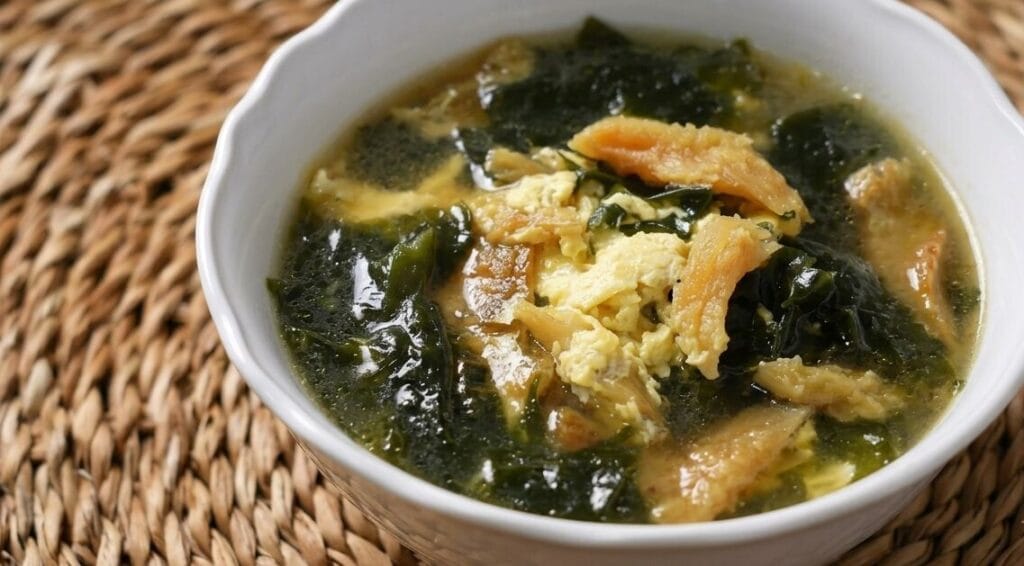
Many K-drama fans are familiar with Miyeok-guk (Korean Seaweed Soup) as the traditional “birthday soup” — a tradition rooted in its use as a postpartum recovery meal, since brown seaweed is a notably iodine-rich food that Korean mothers have eaten after childbirth for centuries. While the beef-based version is the most common, as a Korean local who grew up eating authentic home-cooked meals and has spent years recreating traditional family recipes, my absolute favorite is Hwangtae Miyeok-guk (Dried Pollack Seaweed Soup).
Growing up in Korea, this soup was always our ultimate comfort food. Unlike the beef version, which can sometimes feel heavy or oily, Hwangtae Miyeok-guk offers a remarkably clean, deeply savory, and comforting flavor that tastes exactly like home. In Korea, we celebrate it not just as a delicious meal, but as the ultimate hangover cure and detox soup due to its incredible health benefits.
If you are looking for a low-calorie, high-protein, gluten-free, and gut-healing soup, this authentic recipe—straight from a local Korean kitchen—is exactly what you need.
Why Hwangtae (Dried Pollack) is a Magical Ingredient
Before we dive into the kitchen, you might wonder: What exactly is Hwangtae, and won’t dried fish taste fishy or tough?
The Secret of the Freeze-Thaw Cycle
Hwangtae is made through a unique traditional process where fresh pollack is hung outdoors in cold mountainous regions (like Daegwallyeong) during the winter. For several months, the fish repeatedly freezes during the night and thaws during the day in the freezing wind.
This process changes the texture of the fish completely. It removes any fishy odor and turns the flesh into a beautiful golden color with a spongy, fluffy texture.
The Ultimate Hangover Cure & Diet Food
When simmered, this spongy fish acts like a natural flavor sponge, absorbing the broth and becoming incredibly tender yet pleasantly chewy.
- Detoxification: Hwangtae is packed with amino acids (like methionine and aspartic acid) that protect the liver and help it detoxify. This is why Koreans reach for this soup the morning after heavy drinking — much like a hearty bowl of Gamjatang, another classic local hangover cure.
- High-Protein, Zero-Guilt: It is virtually fat-free and packed with clean protein, making it the perfect choice for wellness and weight loss.
Authentic Local Techniques for the Perfect Milky Broth
Through my years of culinary trial and error, I found that amateur cooks often make one critical mistake: they just boil the ingredients in water. If you do this, the soup will taste watery, and the flavors will separate.
To achieve that rich, milky white broth (Sagol-style) without adding any dairy, you must master the “Toasting Technique.”
1. The Secret is in the Sesame Oil Toasting
You must stir-fry the soaked Hwangtae and seaweed in toasted sesame oil (or perilla oil) over medium heat until the fish strips visibly plump up and turn opaque. This emulsifies the natural fats of the fish with the oil, which is the exact secret to unlocking that rich, milky white appearance when water is added later.
2. Squeeze the Seaweed Right
When washing the dried sea mustard (Miyeok), give it a gentle but firm squeeze. Leaving too much water will dilute the sesame oil while frying, preventing the proper emulsification needed for the deep broth.
Ingredients and Shopping Guide for Foreigners
Since Hwangtae is a strictly traditional Korean ingredient, you won’t find it at standard western supermarkets like Walmart. Here is exactly what to look for:
Essential Ingredients
- Dried Pollack Strips (Hwangtae-chae / 황태채): 1.5 cups. You can easily find these in the dried seafood section of H-Mart or any local Asian grocery store. They are usually pre-shredded.
- Dried Seaweed (Miyeok / 미역): 15g (about 2 tablespoons). Look for “Dried Sea Mustard” or “Brown Algae.” A small amount expands massively!
- Toasted Sesame Oil (or Perilla Oil): 2 tablespoons.
- Garlic: 3 cloves, finely minced.
- Soup Soy Sauce (Guk-Ganjang / 국간장): 1.5 tablespoons. Note: Do not use regular dark soy sauce, as it will darken the beautiful milky broth.
- Fish Sauce (or Sea Salt): 1 tablespoon (to taste).
- Water: 6 cups (or dashima/kelp broth for extra depth).
💡 Expat Shopping Tip & Substitute: If you absolutely cannot find Hwangtae, look for Bukeo-chae (북어채 – Dried Cod/Pollack Strips) at the Asian market. It doesn’t go through the extensive freeze-thaw cycle of Hwangtae, so it’s slightly less fluffy, but it will still give you a very similar, comforting depth of flavor.
Step-by-Step Cooking Instructions
Step 1: Prep the Ingredients
- Soak the Seaweed: Place the dried seaweed in cold water for 15 minutes. Once expanded, rinse it thoroughly under cold running water to remove any residual salt or grit. Squeeze out the excess water firmly, and chop it into bite-sized pieces.
- Soak the Hwangtae: Submerge the dried pollack strips in cold water for exactly 1 minute just to soften them. Drain immediately and gently squeeze out the water (save this soaking water to use as part of your soup base!).
- Check for Bones: Run your fingers through the softened Hwangtae strips and trim off any remaining tiny bones or tough fins, then cut them into 2-inch pieces.
Step 2: The Crucial Stir-Fry (Emulsification)
- Heat a deep pot over medium-low heat and add 2 tablespoons of sesame oil.
- Add the minced garlic and softened Hwangtae strips. Stir-fry for 2 minutes until the garlic is fragrant and the fish strips become plump and slightly golden.
- Add the chopped seaweed and 1.5 tablespoons of Soup Soy Sauce. Stir-fry for another 3 minutes. You will notice the seaweed turning a vibrant green and absorbing the rich oils.
Step 3: Simmer to Unlock the Milky Broth
- Pour in 6 cups of water (including the saved fish-soaking water). Turn the heat up to high and bring it to a rolling boil.
- Once boiling, reduce the heat to medium-low, cover with a lid, and let it simmer for at least 20 to 30 minutes.
- Look inside: The broth should now have a beautiful, opaque, milky-white color, and the seaweed should be incredibly soft.
Step 4: Final Seasoning
- Taste the broth. Add 1 tablespoon of fish sauce (or Korean tuna sauce) to bring out the deep umami.
- If it needs more salt, finish with a pinch of sea salt according to your preference. Serve hot!
Local Guide: How to Eat and Pair Hwangtae Miyeok-guk
To enjoy this like a true Seoulite, do not eat it like a western appetizer soup.
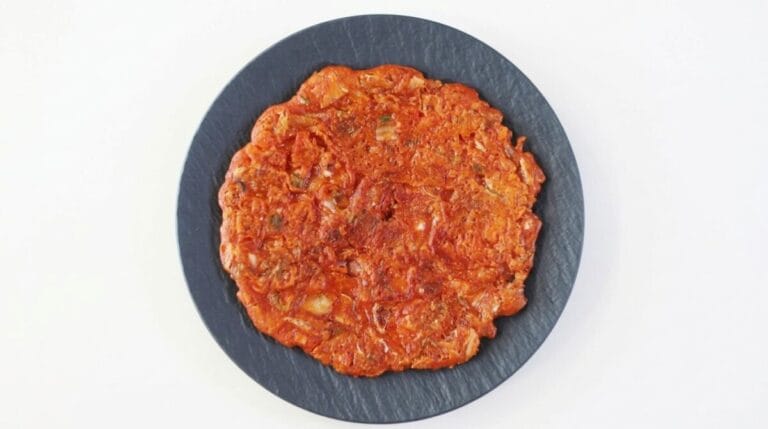
The Perfect Pairing: Because this soup is incredibly comforting, mild, and savory, it pairs perfectly with something spicy and fermented. A side of well-ripened, crunchy Kimchi or Kkakdugi (Diced Radish Kimchi) will cut through the richness of the sesame oil and create a flawless balance on your palate.
The Rice Dunk: Prepare a bowl of warm, freshly cooked white or purple rice. Dip a spoonful of rice directly into the hot broth, making sure to scoop up plenty of seaweed and tender Hwangtae strips.